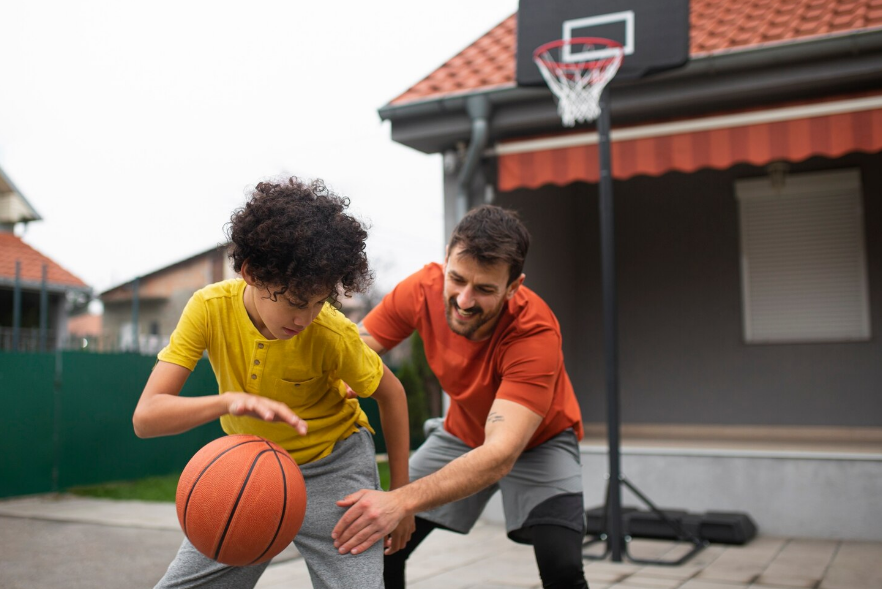
Sports have been part of human culture for centuries. From local games played in small communities to major international competitions watched by millions, sports bring people together through competition, passion, and shared experiences. They are more than entertainment. Sports can influence our physical health, mental well-being, relationships, confidence, and even the way communities connect with one another.
Whether someone plays professionally, participates casually, or simply enjoys watching a favorite team, sports can have a meaningful place in everyday life.
Sports Encourage a Healthy Lifestyle
One of the most obvious benefits of sports is physical activity. Regular participation in sports helps people stay active and can support overall fitness. Running, swimming, cycling, football, basketball, cricket, tennis, and many other activities require movement that keeps the body engaged.
Physical activity can help improve strength, flexibility, coordination, and endurance. It can also encourage people to develop healthier routines. Children who become comfortable with physical activity at a young age may be more likely to continue being active as they grow older.
Sports do not have to involve professional-level training. Even recreational activities can provide valuable movement and help people spend less time sitting throughout the day.
Sports Support Mental Well-Being
The benefits of sports are not limited to physical health. Exercise can also have a positive effect on mood and emotional well-being.
Participating in physical activities gives people an opportunity to step away from work, school, and daily responsibilities. A game or training session can provide a healthy way to release tension and focus on something enjoyable.
Sports can also teach people how to deal with pressure. Athletes regularly face situations where they must remain focused after making mistakes or experiencing setbacks. Learning to recover and continue can be useful far beyond the playing field.
For many people, sports provide a sense of purpose and routine. Training toward a goal can create motivation and give individuals something positive to work toward.
Sports Teach Valuable Life Skills
Many lessons learned through sports can be applied to education, careers, and personal relationships.
Team sports, for example, require communication and cooperation. Players must understand their responsibilities while also supporting teammates. Individual sports can develop self-discipline because athletes often have to rely heavily on their own preparation and consistency.
Sports also teach patience. Improvement rarely happens overnight. Athletes may practice the same skill repeatedly before seeing noticeable progress. This teaches the value of persistence.
Another important lesson is accountability. When athletes make mistakes, they must learn from them rather than simply blaming others. This mindset can help people become more responsible in other areas of life.
Sports Build Confidence
Confidence often grows when people recognize their own progress. Learning a new skill, improving performance, or helping a team achieve a goal can create a strong sense of accomplishment.
For young people, sports can be especially valuable. Successfully learning how to pass a ball, complete a difficult routine, improve a personal record, or compete in a tournament can encourage them to believe in their abilities.
Even when the result is not a victory, the experience can provide confidence. Facing challenges and discovering that failure is not the end can make people more comfortable taking on difficult situations.
Sports Bring People Together
Sports have a unique ability to connect people from different backgrounds. Fans may support the same team despite having completely different professions, cultures, ages, or lifestyles.
Stadiums, sports clubs, schools, community centers, and local playing fields can become places where friendships develop. A shared interest in a sport gives people an easy way to communicate and build connections.
Major sporting events can create a similar sense of unity on a much larger scale. International competitions often bring millions of people together as they support athletes representing their countries.
Sports Teach the Value of Teamwork
Teamwork is essential in many sports. A talented individual cannot always succeed without cooperation from others.
Players must communicate, trust one another, understand different roles, and work toward a common objective. A successful team often depends on individuals putting the group’s interests ahead of personal recognition.
These lessons can be valuable in everyday life. Schools, workplaces, businesses, and community organizations all depend on people working effectively together.
Sports Help Develop Discipline
Success in sports usually requires consistent effort. Athletes need to attend training, practice skills, maintain fitness, and prepare mentally for competition.
This discipline can influence other parts of life. Someone who learns to manage training alongside school or work may become better at organizing responsibilities generally.
Discipline also helps people understand the relationship between effort and improvement. While natural ability can be helpful, long-term development usually requires regular practice.
Sports Provide Inspiration
Athletes often inspire people through their achievements and personal journeys. Stories of individuals overcoming injuries, difficult circumstances, disappointing results, or intense competition can motivate others to pursue their own goals.
The most inspiring sports stories are not always about winning championships. Sometimes the greatest lessons come from athletes who continue competing after failure or demonstrate determination when circumstances become difficult.
These stories remind fans that progress often involves challenges and setbacks.
Sports Create Opportunities for Young People
Sports can play an important role in childhood and adolescence. Organized activities give young people opportunities to make friends, develop skills, stay active, and learn responsibility.
Coaches can also become important mentors. A good coach can teach young athletes about preparation, respect, teamwork, and handling both success and disappointment.
Youth sports can introduce children to different interests and help them discover abilities they did not know they had.
The Importance of Fair Play
Sports also provide lessons about respect and fairness. Rules exist to create a competitive environment where participants have an equal opportunity to succeed.
Learning to respect opponents, officials, teammates, and coaches is an important part of sportsmanship. Winning is exciting, but how someone behaves during and after competition is equally important.
Accepting defeat with maturity and celebrating victory without disrespecting others can help develop strong character.
Sports as a Source of Entertainment
Beyond all their physical and educational benefits, sports are simply enjoyable. Watching a close game, following a favorite athlete, attending a live event, or playing with friends can create memorable experiences.
Sports give people something to discuss and celebrate. Major tournaments can become shared cultural experiences, while local games can create lasting memories within families and communities.
The excitement of competition is one reason sports remain popular across generations.
Final Thoughts
Sports play an important role in our lives because they offer much more than competition. They encourage physical activity, support mental well-being, develop discipline, build confidence, and teach valuable lessons about teamwork and resilience.
They also bring communities together and create opportunities for people to form friendships and shared memories. Whether someone is playing on a professional field, competing at school, exercising at a local club, or watching a game from home, sports can provide meaningful benefits.
Ultimately, the value of sports comes from the experiences they create and the lessons they teach. They remind us that improvement requires effort, challenges can be overcome, teamwork matters, and success is about more than simply being the winner.