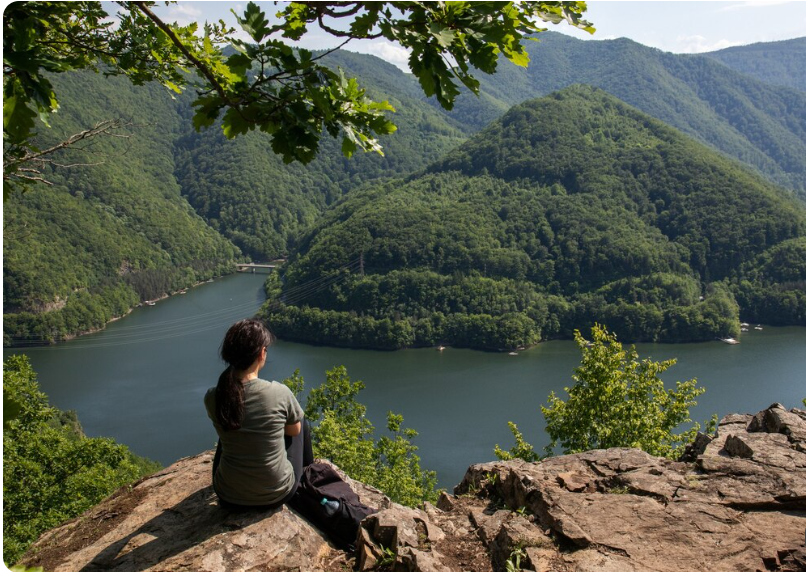
Travel is a wonderful way to explore new cultures, experience beautiful landscapes, and create unforgettable memories. However, tourism can also contribute to pollution, excessive water consumption, habitat destruction, and pressure on local communities. This is why eco-friendly travel destinations are becoming increasingly popular among travelers who want to explore the world while reducing their environmental impact.
Sustainable travel is about making thoughtful choices—from selecting environmentally responsible destinations and accommodations to supporting local businesses, respecting wildlife, and reducing waste. It does not mean giving up comfort or adventure. Instead, it encourages people to enjoy travel in ways that help protect natural and cultural resources for future generations.
What Are Eco-Friendly Travel Destinations?
Eco-friendly travel destinations are places where tourism is planned and managed with consideration for the environment, local communities, wildlife, and cultural heritage. These destinations encourage visitors to enjoy nature while minimizing negative effects on the surrounding ecosystem.
They may include national parks, mountain villages, coastal communities, forest retreats, sustainable cities, islands, and rural tourism areas.
A destination does not automatically become eco-friendly simply because it has forests, beaches, or mountains. Sustainable tourism also depends on how accommodation providers manage resources, how visitors travel around, whether local people benefit economically, and how natural habitats are protected.
The Global Sustainable Tourism Council identifies four important areas of destination sustainability:
- Sustainable destination management and governance.
- Positive social and economic impacts.
- Protection of cultural heritage.
- Environmental conservation and responsible resource management.
These principles help travelers understand why sustainability involves more than choosing a beautiful natural location.
Best Eco-Friendly Travel Destinations in India
India offers a wide range of landscapes and nature-based travel experiences. From the Himalayan mountains and Western Ghats to mangrove forests, wetlands, and coastal ecosystems, the country provides many opportunities for responsible tourism.
The Ministry of Tourism has introduced initiatives such as the National Strategy for Sustainable Tourism, the National Strategy for Ecotourism, and Travel for LiFE to encourage more responsible tourism practices.
Here are some destinations worth considering.
1. Sikkim – A Mountain Destination Focused on Nature
<escape>Sikkim</escape> is known for its Himalayan scenery, mountain villages, forests, monasteries, and rich biodiversity. Travelers can explore peaceful landscapes, enjoy local culture, and participate in outdoor activities such as trekking and nature walks.
The state has a history of environmental initiatives, including organic agriculture, making it an interesting destination for people who value sustainable living.
Responsible travel experiences:
- Explore mountain villages and local markets.
- Choose locally operated guesthouses.
- Follow marked trekking routes.
- Avoid littering in mountain environments.
- Respect local customs and protected natural areas.
Popular areas include Gangtok, Yuksom, Pelling, and parts of North Sikkim. Travelers should check permits, road conditions, and seasonal restrictions before visiting remote locations.
2. Kerala – Responsible Tourism and Natural Beauty
<escape>Kerala</escape> offers backwaters, beaches, forests, hill stations, wildlife habitats, and traditional villages. Its responsible tourism initiatives encourage local participation and aim to connect visitors with local culture and livelihoods.
Destinations such as Kumarakom, Wayanad, Thekkady, and Thenmala offer different types of nature-based experiences.
Thenmala in Kollam district is officially described as India’s first planned ecotourism destination. Its experiences include forest surroundings, trekking, hiking, and other outdoor activities.
Why consider Kerala?
- Community-based tourism opportunities.
- Traditional food and cultural experiences.
- Nature walks and wildlife observation.
- Backwater experiences.
- Locally operated accommodation options.
Travelers should choose responsible operators, avoid disturbing wildlife, and check whether boat services follow appropriate environmental practices.
3. Meghalaya – Waterfalls, Forests, and Living Root Bridges

Meghalaya is famous for its green hills, caves, waterfalls, rivers, and living root bridges. It is particularly appealing to travelers who enjoy hiking and exploring rural communities.
Places such as Sohra, Mawlynnong, Dawki, and parts of the Khasi Hills provide opportunities to experience local culture and natural landscapes.
Living root bridges are especially interesting because they demonstrate how communities have worked with nature over generations.
Eco-friendly travel ideas:
- Hire local guides for village and forest walks.
- Carry reusable water bottles.
- Avoid damaging living root bridges.
- Respect community rules and private property.
- Stay in locally operated homestays where possible.
Visitors should remember that popular natural attractions can become overcrowded. Traveling outside peak periods can help distribute visitor activity.
4. Odisha – Forest Camps, Wetlands, and Coastal Ecosystems
Odisha is an attractive destination for travelers interested in biodiversity, wetlands, beaches, forests, and rural culture.
The state’s official ecotourism program features nature-based experiences in several locations. These include forest camps, riverside stays, mangrove areas, birdwatching opportunities, and coastal landscapes.
Bhitarkanika is known for its mangrove ecosystem and saltwater crocodiles, while Chilika Lake is associated with wetland biodiversity and migratory birds.
Things to experience:
- Birdwatching around wetlands.
- Guided nature walks.
- Responsible boat excursions.
- Local food and cultural activities.
- Community-supported accommodation.
Wildlife sanctuaries and breeding areas may have seasonal closures or visitor restrictions. Always check official notices before planning a visit.
5. Uttarakhand – Himalayan Villages and Nature Tourism
Uttarakhand offers mountain scenery, rivers, forests, pilgrimage destinations, and rural communities. Travelers can explore the Himalayan landscape while supporting locally managed tourism.
Popular destinations include Chopta, Mukteshwar, Munsiyari, and selected areas around the Nanda Devi region.
Responsible tourism is especially important in mountain environments because waste disposal, road construction, and excessive visitor numbers can place pressure on fragile ecosystems.
Sustainable activities include:
- Walking and trekking with qualified local guides.
- Supporting village homestays.
- Buying locally made products.
- Avoiding single-use plastic.
- Following wildlife and forest protection rules.
Visitors should also consider the environmental impact of road travel and avoid leaving waste along trekking routes.
6. Rajasthan – Desert Landscapes and Rural Experiences
Rajasthan is often associated with forts, palaces, and desert tourism, but it also offers opportunities for responsible rural and nature-based travel.
Bundi, Jodhpur, and selected village destinations provide access to traditional architecture, crafts, local cuisine, and rural experiences.
Travelers can support local communities by choosing locally operated accommodation, hiring licensed guides, and purchasing handmade products directly from artisans.
For desert experiences, select operators that follow responsible practices and avoid activities that disturb wildlife or damage fragile desert habitats.
7. Lakshadweep – Marine Life and Island Conservation
Lakshadweep is known for coral reefs, clear waters, beaches, and island ecosystems. Its natural beauty makes it appealing for snorkeling, diving, and other marine activities.
However, coral reefs are delicate environments. Visitors should avoid touching corals, standing on reefs, feeding marine animals, or leaving waste on beaches.
Responsible island travel includes:
- Following local marine conservation rules.
- Choosing responsible snorkeling and diving operators.
- Using reef-safe practices where appropriate.
- Respecting local culture and community guidelines.
- Minimizing plastic waste.
Entry requirements and transport arrangements can vary, so travelers should check official information before making bookings.
Best Eco-Friendly Travel Destinations Around the World
Sustainable tourism is not limited to India. Several international destinations have introduced programs to protect natural resources, support communities, and manage visitor activities more responsibly.
1. Slovenia – Green Cities and Mountain Tourism
<escape>Slovenia</escape> is known for its mountains, lakes, forests, and compact cities. Its tourism sector has promoted sustainability through destination-level initiatives and environmental management.
Ljubljana, Bohinj, and other destinations provide opportunities to explore urban culture and nature-based experiences.
The Slovenian tourism organization reported that ten destinations featured in the Green Destinations Top 100 Stories 2026 list, including Bohinj, Ljubljana, Kranj, and Škofja Loka.
What makes Slovenia interesting?
- Outdoor recreation and hiking.
- Public transport and cycling opportunities.
- Nature conservation initiatives.
- Local food and cultural experiences.
- Sustainable destination programs.
Travelers should still check the environmental credentials of individual accommodation providers and tour operators rather than assuming every business follows the same standards.
2. Costa Rica – Rainforests and Wildlife Conservation
Costa Rica is widely associated with biodiversity, tropical forests, wildlife, and nature-based tourism.
Visitors can explore protected areas, observe birds and wildlife, and experience rainforest environments with trained local guides.
The country offers opportunities for travelers interested in conservation and outdoor activities.
Popular experiences include:
- Rainforest walks.
- Wildlife observation.
- Guided birdwatching.
- Responsible adventure tourism.
- Visits to conservation-focused properties.
Travelers should avoid operators that allow close contact with wild animals or encourage feeding and handling wildlife.
3. New Zealand – Landscapes and Outdoor Adventures
New Zealand offers mountains, lakes, forests, beaches, and walking trails. It attracts visitors interested in hiking, cycling, kayaking, and nature exploration.
Its natural areas require careful visitor management, especially around sensitive habitats and popular walking routes.
Visitors can make more responsible choices by using established trails, following local conservation rules, and supporting businesses that demonstrate good environmental practices.
4. Norway – Responsible Nature-Based Travel
Norway is known for its fjords, mountains, coastal communities, and scenic landscapes. Visitors can explore natural attractions through hiking, rail journeys, kayaking, and other outdoor activities.
The country’s public transport options in many regions can help travelers reduce dependence on private cars.
Responsible travel tips:
- Use trains and public transport where practical.
- Stay on designated hiking routes.
- Respect local communities and private property.
- Avoid disturbing wildlife.
- Follow seasonal safety guidance.
5. Bhutan – Culture, Nature, and Controlled Tourism
Bhutan is recognized for its Himalayan environment, Buddhist heritage, forests, and distinctive tourism policies.
Its tourism model has traditionally emphasized high-value, low-volume travel, although current entry charges and policies should always be checked before booking.
Travelers can explore monasteries, mountain scenery, traditional villages, and cultural experiences while following local customs.
Respect for religious sites and community traditions is particularly important.
6. Palau – Marine Conservation and Island Experiences
Palau is an island destination known for coral reefs, marine biodiversity, and clear waters.
Marine conservation is central to its tourism identity. Visitors are encouraged to follow local environmental rules and respect the marine ecosystem.
Snorkeling and diving should be undertaken with responsible operators who explain reef protection and wildlife etiquette.
7. Australia – Ecotourism and Renewable Energy Experiences
Australia offers many nature-based tourism opportunities, including rainforests, national parks, coastal ecosystems, and marine environments.
Lady Elliot Island on the Great Barrier Reef is an example of a destination with documented sustainability initiatives. Tourism Australia’s ecotourism information describes its renewable-energy operations, revegetation activities, and conservation education.
Visitors can enjoy snorkeling and marine wildlife experiences while learning about reef conservation.
Comparison of Popular Eco-Friendly Travel Destinations
| Destination | Main attraction | Responsible travel experience |
|---|---|---|
| Sikkim, India | Himalayan landscapes | Local homestays and trekking |
| Kerala, India | Backwaters and forests | Community tourism and nature walks |
| Meghalaya, India | Waterfalls and living root bridges | Village experiences and local guides |
| Odisha, India | Mangroves and wetlands | Birdwatching and forest camps |
| Uttarakhand, India | Mountains and forests | Village stays and hiking |
| Slovenia | Lakes and mountain scenery | Public transport and outdoor tourism |
| Costa Rica | Rainforests and biodiversity | Guided wildlife observation |
| Bhutan | Himalayan culture | Cultural and nature-based tourism |
| Palau | Coral reefs | Responsible marine activities |
| Australia | Coastal and marine ecosystems | Conservation-focused ecotourism |
How to Choose the Right Eco-Friendly Travel Destination
Not every destination is suitable for every traveler. The best choice depends on your budget, travel interests, transportation options, available time, and environmental priorities.
Before making a booking, consider the following factors.
1. Look for Genuine Sustainability Practices
A hotel or resort may describe itself as green, but travelers should look for evidence of its practices.
Useful indicators include:
- Renewable energy use.
- Water conservation.
- Waste reduction and recycling.
- Local employment.
- Responsible food sourcing.
- Environmental certifications.
A credible sustainability claim should be supported by clear information rather than vague marketing language.
2. Check Local Conservation Rules
Some natural destinations have restrictions on visitor numbers, photography, camping, boating, or wildlife observation.
Read the rules before visiting. They are often designed to protect fragile habitats and reduce pressure on local resources.
3. Support Local Businesses
Local businesses can help tourism income remain within the destination.
Consider staying in locally operated accommodation, hiring community guides, eating at local restaurants, and buying products directly from artisans.
4. Consider Transportation
Transportation can contribute significantly to the environmental impact of a holiday.
Where practical:
- Choose direct flights instead of routes with unnecessary connections.
- Use trains or buses for suitable journeys.
- Walk or cycle for shorter distances.
- Share transport when appropriate.
- Avoid unnecessary vehicle journeys.
For long-distance travel, compare realistic transport options rather than assuming that one mode is always more sustainable.
5. Travel During Less Crowded Periods
Visiting outside peak tourist seasons can help distribute tourism demand. It may also make it easier to experience local culture and natural attractions without excessive crowds.
However, consider weather conditions, wildlife breeding seasons, seasonal closures, and local business availability before choosing travel dates.
Practical Ways to Travel More Sustainably
Even if you cannot visit a destination specifically known for ecotourism, you can still make environmentally responsible choices.
Reduce Single-Use Plastic
Carry a reusable water bottle, shopping bag, and travel container. Avoid unnecessary disposable packaging and use refill facilities where safe and available.
Save Water and Electricity
Hotels and resorts can use large quantities of water and energy. Simple habits such as switching off lights, limiting unnecessary air-conditioning, and reusing towels can help reduce resource consumption.
Respect Wildlife
Never feed wild animals or encourage close-contact experiences that may disturb their natural behavior.
Choose wildlife tours that maintain safe distances and follow conservation guidelines.
Eat Local and Seasonal Food
Eating locally produced food can support nearby farmers, restaurants, and small businesses. It also provides a better opportunity to experience regional culture.
Avoid Environmental Damage
Do not collect coral, shells, plants, or other natural materials from protected environments. Stay on marked trails and follow camping restrictions.
Respect Local Traditions
Sustainable travel also includes cultural responsibility. Ask before photographing people, dress appropriately at religious sites, and respect local customs.
Sustainable Accommodation: What Should Travelers Look For?
Accommodation can make a major difference to the environmental footprint of a holiday.
Eco-lodges, community homestays, sustainable hotels, and rural guesthouses may offer different approaches to reducing environmental impact.
However, the label “eco-friendly” is not enough by itself. Travelers should examine the actual practices of each property.
| Accommodation feature | Why it matters |
|---|---|
| Renewable energy | Can reduce dependence on fossil fuels |
| Water-saving systems | Helps conserve local water supplies |
| Waste management | Reduces pollution and landfill waste |
| Local employment | Supports nearby communities |
| Responsible food sourcing | Encourages local agriculture |
| Nature protection | Helps reduce pressure on nearby habitats |
Look for independent certification where available, and read the property’s sustainability information carefully.
Benefits of Visiting Eco-Friendly Travel Destinations
Responsible tourism can provide benefits to visitors, local communities, and natural environments.
Environmental Protection
Sustainable tourism can support habitat conservation, responsible resource use, and better waste management.
When visitor activities are carefully managed, destinations may be better equipped to protect forests, wetlands, coastlines, and wildlife.
Economic Opportunities for Local Communities
Tourism can create income for guides, small accommodation providers, restaurants, transport operators, and artisans.
Community participation helps ensure that local residents are not simply affected by tourism but can also benefit from it.
Cultural Understanding
Responsible travel encourages visitors to learn about local traditions, food, languages, crafts, and history.
It can create meaningful cultural exchanges when visitors approach communities with respect.
More Meaningful Travel Experiences
Nature walks, local food, village stays, and conservation activities can provide experiences that go beyond conventional sightseeing.
These activities may help visitors develop a stronger understanding of the places they explore.
Common Mistakes to Avoid When Planning Sustainable Travel
Some travel choices may appear environmentally friendly but can still cause problems.
Assuming every nature resort is sustainable: A property located beside a forest is not necessarily environmentally responsible.
Choosing wildlife entertainment: Activities that allow unsafe contact with animals can create stress and harm.
Ignoring local rules: Restricted trails, protected beaches, and wildlife zones have rules for a reason.
Overpacking: Excess luggage can increase transport-related fuel consumption and make journeys less convenient.
Buying unnecessary souvenirs: Avoid products made from protected plants, animal parts, coral, or other restricted natural materials.
Overlooking community impact: Tourism should respect local residents and avoid disrupting their daily lives.
Believing every green label: Verify sustainability claims through transparent practices or credible certification.
How to Plan an Eco-Friendly Holiday on a Budget

Sustainable travel does not always require expensive resorts or exclusive experiences. Many responsible travel choices can be affordable.
Start by choosing a destination that is accessible through practical transport options. Compare local guesthouses and homestays rather than automatically selecting large resorts.
You can also save money by:
- Traveling with a small group.
- Eating at local restaurants.
- Using public transportation.
- Choosing free nature walks where permitted.
- Visiting attractions during less crowded periods.
- Carrying reusable travel essentials.
- Booking locally operated tours with transparent pricing.
A simple holiday built around local food, walking, nature, and cultural experiences can be both affordable and rewarding.
Future of Eco-Friendly Travel Destinations
The future of sustainable tourism will depend on how destinations balance visitor demand with environmental protection and community well-being.
Several trends are likely to influence travel decisions.
Community-Based Tourism
More destinations are exploring tourism models that involve local residents in planning, guiding, accommodation, and cultural activities.
Renewable Energy in Accommodation
Hotels and resorts may increasingly invest in renewable electricity, energy-efficient buildings, and water-saving systems.
Nature Conservation Experiences
Responsible birdwatching, guided trekking, marine conservation education, and habitat restoration activities may become more prominent.
Better Destination Management
Governments and tourism organizations are paying greater attention to visitor management, environmental monitoring, waste management, and destination planning.
Sustainable Transportation
Rail travel, electric transport, cycling, and improved public transport can help reduce the environmental impact of travel where suitable infrastructure exists.
Conclusion
Eco-friendly travel destinations offer an opportunity to explore the world while showing greater care for nature, local communities, and cultural heritage. India has many interesting options, including Sikkim, Kerala, Meghalaya, Odisha, Uttarakhand, Rajasthan, and Lakshadweep. International destinations such as Slovenia, Costa Rica, Bhutan, Norway, Palau, and Australia also provide different kinds of nature-based and responsible travel experiences.
The most important part of sustainable travel is not simply choosing a destination with beautiful natural surroundings. It is making thoughtful decisions throughout the journey. Supporting local businesses, respecting wildlife, conserving resources, reducing waste, and following conservation rules can make tourism more responsible.
A memorable holiday does not have to come at the expense of the environment. With careful planning and responsible choices, travelers can enjoy meaningful experiences while helping protect the destinations they visit.
Frequently Asked Questions (FAQs)
1. What are the best eco-friendly travel destinations?
Popular choices include Sikkim, Kerala, Meghalaya, Odisha, and Uttarakhand in India, along with Slovenia, Costa Rica, Bhutan, Norway, and Palau internationally. The best destination depends on the traveler’s interests and the actual sustainability practices available locally.
2. What makes a travel destination eco-friendly?
An eco-friendly destination promotes environmental conservation, responsible resource use, wildlife protection, cultural preservation, and local economic participation. Good destination management is also important.
3. Is eco-friendly travel expensive?
Not necessarily. Travelers can make sustainable choices by using public transport, staying in local guesthouses, eating local food, carrying reusable items, and choosing community-led experiences. Responsible travel can fit different budgets.
4. Which are the best eco-friendly places to visit in India?
Sikkim, Kerala, Meghalaya, Odisha, Uttarakhand, and Lakshadweep offer a variety of nature-based experiences. Thenmala in Kerala is officially recognized as India’s first planned ecotourism destination.
5. How can I make my holiday more sustainable?
Choose responsible accommodation, support local businesses, reduce single-use plastic, conserve water and electricity, avoid disturbing wildlife, respect local traditions, and use lower-impact transportation when practical.


2 thoughts on “Eco-Friendly Travel Destinations: Best Sustainable Places to Visit for Responsible and Meaningful Travel”