
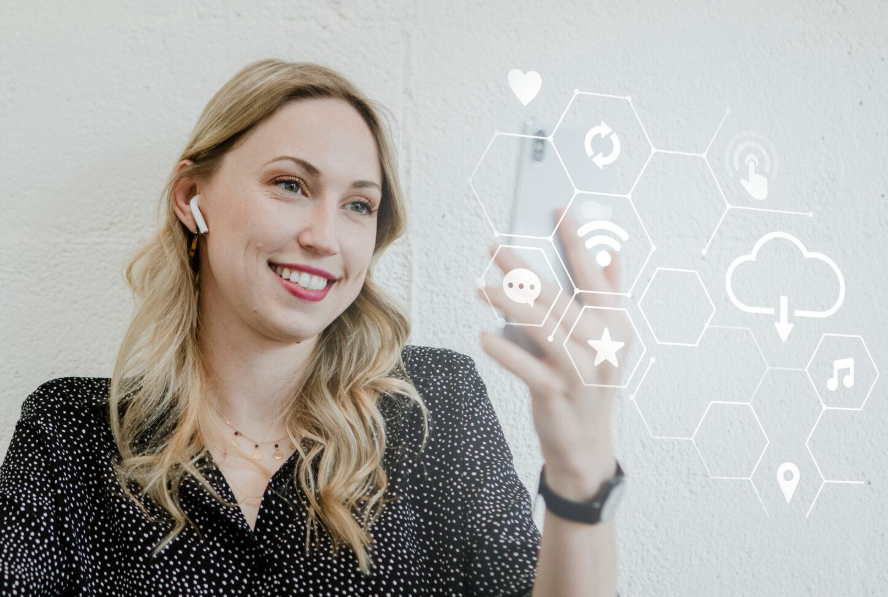
Introduction to the Internet of Things
The Internet of Things, commonly known as IoT, refers to a system where physical objects are connected to the internet and can collect, share, and act on data. These objects include everyday items such as smartphones, home appliances, vehicles, sensors, and industrial machines. IoT enables these devices to communicate with each other without human intervention, creating a smarter and more efficient environment. As technology continues to evolve, IoT is becoming an important part of daily life, transforming how people live, work, and interact with their surroundings.
How IoT Works
IoT works by combining hardware, software, and network connectivity. Devices are equipped with sensors that collect data such as temperature, movement, location, or light. This data is transmitted over the internet to cloud platforms or servers where it is processed and analyzed. Based on this analysis, actions can be taken automatically or information can be sent to users through applications. For example, a smart thermostat collects temperature data and adjusts room conditions automatically, improving comfort and energy efficiency.
Key Components of IoT
The main components of IoT include sensors, connectivity, data processing, and user interfaces. Sensors gather information from the environment and convert it into digital signals. Connectivity allows this data to be transferred using technologies such as Wi Fi, Bluetooth, cellular networks, or satellite communication. Data processing involves analyzing the collected information to make decisions or generate insights. User interfaces such as mobile apps or dashboards allow users to monitor and control IoT devices easily.
Applications of IoT in Daily Life
IoT has a wide range of applications that affect everyday life. In smart homes, IoT devices such as smart lights, security cameras, and voice assistants provide convenience, safety, and energy savings. In healthcare, wearable devices monitor heart rate, physical activity, and sleep patterns, helping doctors and patients manage health more effectively. In transportation, IoT enables smart traffic systems, vehicle tracking, and navigation services that improve safety and reduce congestion. These applications show how IoT enhances comfort, efficiency, and decision making.
Role of IoT in Industry and Business
Industries and businesses use IoT to improve productivity and reduce costs. In manufacturing, IoT supports automation, predictive maintenance, and quality control by monitoring machines in real time. In agriculture, smart sensors measure soil moisture, weather conditions, and crop health, allowing farmers to optimize irrigation and increase yield. Retail businesses use IoT to manage inventory, analyze customer behavior, and enhance shopping experiences. These uses demonstrate how IoT plays a key role in modern economic growth.
Benefits of the Internet of Things
IoT offers many benefits including increased efficiency, better resource management, and improved quality of life. Automation reduces the need for manual effort and minimizes human errors. Real time data collection helps organizations make informed decisions quickly. IoT also promotes sustainability by reducing energy consumption and waste through smart monitoring systems. Overall, IoT enables smarter solutions to complex problems across various fields.
Challenges and Security Concerns
Despite its advantages, IoT faces several challenges. Security and privacy are major concerns because connected devices can be vulnerable to cyber attacks. Protecting sensitive data requires strong encryption, authentication, and regular software updates. Another challenge is compatibility, as devices from different manufacturers may use different standards. Managing large amounts of data and ensuring reliable connectivity are also important issues that need continuous improvement.
Future of the Internet of Things
The future of IoT is promising, with advancements in artificial intelligence, cloud computing, and communication technologies. The integration of IoT with smart cities, autonomous vehicles, and intelligent healthcare systems is expected to grow rapidly. As networks become faster and more secure, IoT will continue to expand its influence and create new opportunities. With responsible development and strong security measures, IoT has the potential to shape a smarter and more connected world.
Conclusion
The Internet of Things is a powerful technology that connects the physical and digital worlds. By enabling devices to communicate and share data, IoT improves efficiency, convenience, and innovation across many areas of life. Although challenges exist, continuous technological progress is addressing these issues. As IoT continues to evolve, it will remain a key driver of digital transformation and future technological advancement.