
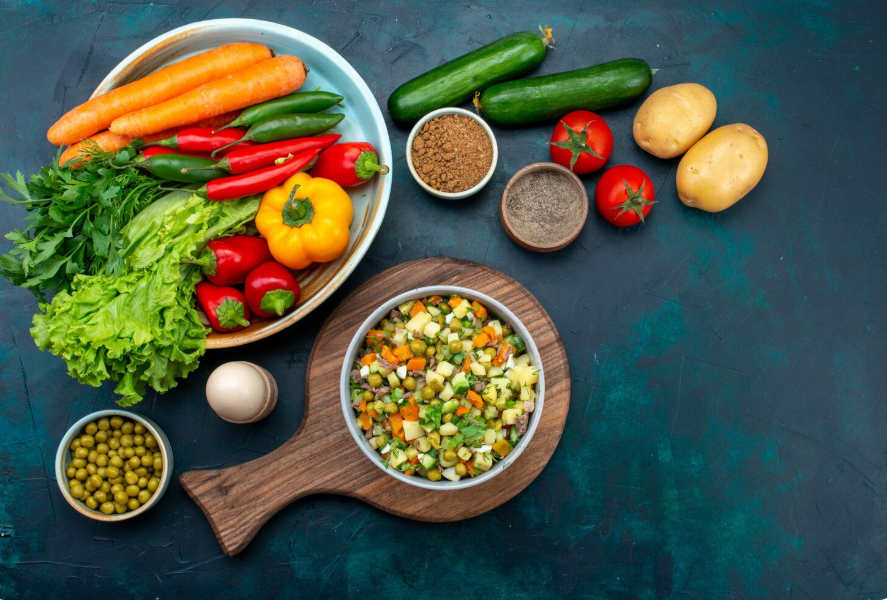
The Rise of Vegetarianism
Vegetarian food has gained significant popularity in recent years, as more people become aware of the health, environmental, and ethical benefits of a plant-based lifestyle. Whether motivated by health reasons, environmental concerns, or animal welfare, many people are turning to vegetarian diets to nourish their bodies and reduce their ecological footprint. Vegetarian food isn’t just about salads and vegetables—it encompasses a wide variety of dishes that are rich in flavor, texture, and nutrition. From hearty meals to light snacks, vegetarian food offers something for everyone, without sacrificing taste.
The Health Benefits of a Vegetarian Diet
One of the primary reasons many individuals choose to adopt a vegetarian diet is for its health benefits. A well-balanced vegetarian diet is rich in essential nutrients, including vitamins, minerals, fiber, and antioxidants, which contribute to better overall health. Studies have shown that a vegetarian diet can help lower the risk of chronic conditions such as heart disease, diabetes, and certain cancers. Since vegetarian food is typically low in saturated fat and cholesterol, it promotes better heart health and can help manage weight.
Additionally, plant-based foods are often higher in fiber, which aids in digestion and promotes gut health. Vegetarian diets also tend to be rich in antioxidants, which help protect the body from harmful free radicals and oxidative stress. With the right planning, vegetarian meals can provide all the necessary nutrients, including protein, iron, and calcium, making it a well-rounded and healthy way of eating.
Exploring the Variety of Vegetarian Cuisine
Vegetarian food spans the globe, offering a diverse array of flavors and ingredients. From Mediterranean dishes rich in olive oil, herbs, and fresh vegetables, to Asian cuisine that incorporates tofu, rice, and stir-fried vegetables, there is no shortage of delicious vegetarian meals to explore.
In Indian cuisine, vegetarian dishes are a significant part of everyday meals. Dal Tadka, a spiced lentil dish, is a staple in many households, served with rice or naan. Aloo Gobi, a potato and cauliflower curry, is another popular dish that showcases the bold flavors of Indian spices. For a lighter snack, Samosas, crispy pastry pockets filled with spiced potatoes and peas, are a favorite treat. The richness of Indian vegetarian cuisine offers endless options for anyone looking to explore plant-based dishes.
Mediterranean Vegetarian Delights
Mediterranean cuisine is known for its use of fresh ingredients, olive oil, and vibrant flavors. Hummus, made from blended chickpeas, tahini, garlic, and lemon, is a delicious dip often paired with pita bread or vegetables. Falafel, crispy fried balls made from ground chickpeas, parsley, and spices, is another Mediterranean favorite. Often served in a pita with salad and tahini sauce, it’s a perfect vegetarian meal.
Greek Salad, with its combination of tomatoes, cucumbers, olives, feta cheese, and olive oil, is a refreshing and nutritious option for a light meal. The Mediterranean diet, with its emphasis on plant-based ingredients, provides plenty of inspiration for creating healthy and flavorful vegetarian meals.
Asian Vegetarian Cuisine
In Asia, vegetarian food is often centered around rice, noodles, tofu, and fresh vegetables. Tofu, a soy-based protein, is a key ingredient in many vegetarian Asian dishes, as it absorbs the flavors of the spices and sauces it’s cooked with. Vegetable Stir-Fry, with its mix of colorful vegetables like bell peppers, broccoli, and carrots, is a quick and nutritious dish often served with rice or noodles.
Thai cuisine offers many vegetarian options, such as Pad Thai, a stir-fried noodle dish made with tofu, peanuts, and lime. Green Curry, made with coconut milk, vegetables, and tofu, is another flavorful vegetarian dish popular in Thai restaurants. The balance of spicy, sour, sweet, and salty flavors is characteristic of many Thai vegetarian meals, making them rich in taste and satisfying.
Vegetarian Protein Sources
One of the common concerns when transitioning to a vegetarian diet is ensuring adequate protein intake. Fortunately, there are numerous plant-based sources of protein that can easily be incorporated into a vegetarian diet. Legumes, such as lentils, chickpeas, and beans, are excellent sources of protein, fiber, and essential nutrients. Tofu and tempeh, made from soybeans, are versatile sources of plant-based protein that can be used in a variety of dishes.
Quinoa, a grain that is also a complete protein, is another great option. It can be used in salads, as a side dish, or in bowls with vegetables and sauces. Nuts and seeds, such as almonds, chia seeds, and hemp seeds, are also high in protein and can be added to smoothies, salads, or eaten as snacks. By including a variety of these protein-rich foods in your meals, you can ensure that your vegetarian diet is balanced and satisfying.
Easy and Delicious Vegetarian Meals
There are countless simple and quick vegetarian meals that can be prepared at home, making it easy to incorporate plant-based eating into your lifestyle. One easy option is vegetable stir-fry, where you can toss your favorite vegetables with soy sauce, garlic, and ginger for a quick and flavorful meal. Veggie burgers, made from black beans, lentils, or chickpeas, can be grilled and served with all your favorite toppings, making for a filling and nutritious meal.
Vegetarian Pasta, such as Pasta Primavera, is another simple dish made by sautéing fresh vegetables and tossing them with cooked pasta and a light olive oil dressing. Stuffed bell peppers, filled with quinoa, beans, and vegetables, offer a hearty and satisfying meal that’s packed with nutrients.
Desserts for the Vegetarian Sweet Tooth
Vegetarian food isn’t just about savory dishes—it includes a wide variety of delicious desserts as well. Fruit salads, made with seasonal fruits and a drizzle of honey or lime, are a light and refreshing treat. Vegan chocolate mousse, made with avocado and cocoa powder, offers a rich, creamy dessert without any dairy. Chia seed pudding, made by soaking chia seeds in almond milk and topping with fresh fruit or nuts, is another healthy and satisfying option.
Conclusion: A Delicious and Sustainable Way of Eating
Vegetarian food is not only about nourishing the body but also about embracing a lifestyle that supports sustainability and compassion. With its wide range of flavors, ingredients, and cuisines, vegetarian food offers endless possibilities for creating satisfying and delicious meals. Whether you are fully vegetarian or simply looking to reduce your meat consumption, incorporating more plant-based meals into your diet is a rewarding and healthy choice. From protein-rich legumes to vibrant vegetable stir-fries, vegetarian food is both nutritious and packed with flavor, making it a great way to eat well and live sustainably.