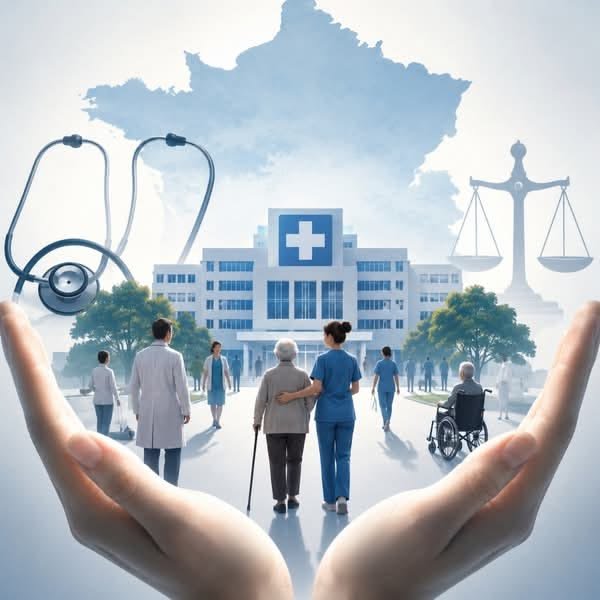
Healthcare is one of the most important aspects of a society’s development. Ensuring access to safe medical services, preventing diseases, promoting healthy lifestyles, and protecting communities from health risks require proper planning and management. This responsibility is handled by government health organizations known as the Department of Health.
The Department of Health plays a significant role in improving public health systems by developing healthcare policies, managing health programs, monitoring diseases, and providing essential health services to communities. It works at national, state, and local levels to ensure that people receive necessary healthcare support.
From vaccination programs and disease prevention campaigns to healthcare regulations and emergency response planning, the Department of Health helps create a healthier environment for individuals and communities.
What Is the Department of Health?
The Department of Health is a government organization responsible for managing and improving public health services. Its primary goal is to protect and promote the health and well-being of citizens through healthcare policies, preventive programs, and medical initiatives.
The department works with healthcare providers, hospitals, research organizations, and community groups to address various health challenges.
The responsibilities of a Department of Health may vary depending on the country or region, but common areas include:
- Public health management
- Disease prevention
- Healthcare regulation
- Health education
- Medical research support
- Emergency health response
- Community health programs
By coordinating healthcare activities, the department helps improve the overall quality of healthcare services.
Importance of the Department of Health
A strong healthcare system requires proper planning, resources, and coordination. The Department of Health helps establish a structured approach to managing public health concerns.
Protecting Public Health
One of the main responsibilities of the Department of Health is protecting communities from health threats. This includes monitoring diseases, controlling outbreaks, and implementing preventive measures.
Public health protection involves:
- Disease surveillance
- Vaccination programs
- Health awareness campaigns
- Food and safety monitoring
- Environmental health protection
These activities help reduce health risks and improve community safety.
Improving Healthcare Access
Access to healthcare services is essential for maintaining a healthy population. The Department of Health works to improve healthcare availability, especially for underserved communities.
It supports initiatives related to:
- Primary healthcare services
- Community clinics
- Health assistance programs
- Affordable medical care
Improving healthcare access helps people receive timely medical support.
Key Functions of the Department of Health
The Department of Health performs various functions to maintain and improve public healthcare systems.
Developing Healthcare Policies
Healthcare policies provide guidelines for managing medical services and public health programs. The Department of Health creates policies based on health needs, research findings, and community requirements.
Role of Health Policies
Health policies help with:
- Improving healthcare quality
- Setting medical standards
- Managing healthcare resources
- Addressing public health challenges
Effective policies create a foundation for better healthcare delivery.
Disease Prevention and Control
Preventing diseases is one of the most important responsibilities of the Department of Health. Prevention programs reduce the spread of infectious diseases and promote healthier communities.
Disease Control Activities
The department manages activities such as:
- Disease monitoring
- Outbreak investigation
- Vaccination programs
- Public awareness initiatives
- Health screenings
Early detection and prevention help reduce the impact of diseases.
Health Education and Awareness Programs
Education plays a major role in improving public health. The Department of Health conducts awareness campaigns to educate people about healthy habits and disease prevention.
Health education programs may focus on:
- Nutrition awareness
- Personal hygiene
- Mental health
- Healthy lifestyle choices
- Preventive healthcare
Knowledge empowers individuals to make better health decisions.
Healthcare Regulation and Standards
The Department of Health helps maintain quality standards within healthcare systems. It develops regulations that guide hospitals, clinics, healthcare professionals, and medical facilities.
Areas of Healthcare Regulation
Regulatory responsibilities may include:
- Healthcare facility licensing
- Medical safety standards
- Patient care guidelines
- Healthcare quality monitoring
Regulations help ensure that healthcare services meet required standards.
Emergency Health Response
Public health emergencies require quick coordination and effective action. The Department of Health plays an important role during situations such as disease outbreaks, natural disasters, and health crises.
Emergency Response Activities
The department may coordinate:
- Emergency medical services
- Public health announcements
- Disease containment measures
- Healthcare resource management
Preparedness planning helps communities respond effectively during emergencies.
Public Health Programs Managed by the Department of Health
The Department of Health operates various programs designed to improve community health.
Vaccination and Immunization Programs
Vaccination is an important tool for preventing infectious diseases. Health departments organize immunization programs to protect individuals and communities.
These programs may include:
- Childhood vaccinations
- Adult immunizations
- Disease-specific vaccination campaigns
- Public vaccination drives
Vaccination programs help reduce the spread of preventable diseases.
Maternal and Child Health Programs
The health of mothers and children is a major public health priority. The Department of Health supports programs that provide healthcare guidance and medical services during pregnancy and childhood.
These initiatives may include:
- Prenatal care support
- Nutrition programs
- Child health monitoring
- Newborn care services
Such programs help improve health outcomes for families.
Mental Health Services
Mental health has become an important part of overall healthcare. The Department of Health supports initiatives that promote mental wellness and provide access to mental health resources.
Programs may include:
- Mental health awareness
- Counseling services
- Crisis support programs
- Community mental health initiatives
Recognizing mental health needs helps create a more complete healthcare system.
Chronic Disease Management Programs
Chronic diseases such as diabetes, heart disease, and respiratory conditions require long-term management.
The Department of Health develops programs focused on:
- Disease prevention
- Health screenings
- Patient education
- Lifestyle improvement
These programs help individuals manage chronic health conditions effectively.
Environmental Health Services
Environmental factors can significantly affect public health. The Department of Health monitors environmental risks and promotes safer living conditions.
Environmental Health Activities
These may include:
- Drinking water safety
- Food safety inspections
- Pollution monitoring
- Waste management guidelines
Environmental health programs help prevent health problems caused by unsafe conditions.
Role of the Department of Health During Health Emergencies
Health emergencies require organized planning and cooperation between different organizations. The Department of Health coordinates responses to protect communities.
During emergencies, the department may:
- Share health information
- Provide public safety guidelines
- Coordinate medical resources
- Track disease patterns
- Support healthcare workers
Effective emergency management reduces risks and improves public safety.
How the Department of Health Supports Healthcare Professionals
Healthcare professionals require proper guidelines, training, and resources to provide quality services.
The Department of Health supports healthcare workers through:
- Professional standards
- Training programs
- Healthcare guidelines
- Safety protocols
Supporting medical professionals strengthens the overall healthcare system.
Difference Between Department of Health and Healthcare Providers
Many people confuse the responsibilities of government health departments and healthcare providers. Both contribute to public health but have different roles.
Department of Health
The Department of Health focuses on:
- Public health policies
- Healthcare programs
- Disease prevention
- Health regulations
- Community health initiatives
Healthcare Providers
Healthcare providers focus on:
- Diagnosing patients
- Providing treatments
- Performing medical procedures
- Delivering direct patient care
Both systems work together to improve healthcare outcomes.
Benefits of a Strong Department of Health System
A well-organized Department of Health provides several benefits to society.
Better Disease Prevention
Strong public health programs help identify risks early and prevent disease outbreaks.
Improved Healthcare Quality
Healthcare standards and regulations improve the quality of medical services.
Increased Health Awareness
Public education programs help people understand preventive healthcare practices.
Faster Emergency Response
Prepared health systems can respond more effectively during emergencies.
How Citizens Can Work With the Department of Health
Public participation is important for successful health programs. Individuals can support health initiatives by:
- Following health guidelines
- Participating in vaccination programs
- Maintaining healthy habits
- Reporting health concerns
- Using reliable health information sources
Community involvement helps improve public health outcomes.
Frequently Asked Questions (FAQs)
What is the Department of Health responsible for?
The Department of Health is responsible for managing public health programs, developing healthcare policies, preventing diseases, regulating healthcare standards, and improving community health services.
Why is the Department of Health important?
The Department of Health helps protect communities by managing healthcare programs, controlling diseases, promoting health awareness, and ensuring access to essential health services.
What services does the Department of Health provide?
Services vary by location but may include vaccination programs, health education, disease prevention, emergency response, healthcare regulation, and community health support.
Does the Department of Health provide medical treatment?
The Department of Health mainly focuses on public health management and programs. Direct medical treatment is usually provided by hospitals, clinics, and healthcare professionals.
How does the Department of Health prevent diseases?
The department prevents diseases through vaccination programs, health education, disease monitoring, screenings, and public awareness campaigns.
What role does the Department of Health play during emergencies?
During health emergencies, the department coordinates responses, provides safety information, manages resources, and supports disease control efforts.
How can I contact my local Department of Health?
Contact methods depend on your location. Most departments provide official websites, phone numbers, and public service offices for assistance.
Does the Department of Health regulate hospitals?
Yes, many health departments establish healthcare standards, licensing requirements, and safety regulations for healthcare facilities.
What is the difference between public health and healthcare?
Public health focuses on preventing diseases and improving community health, while healthcare focuses on diagnosing and treating individual patients.
How does the Department of Health promote healthy lifestyles?
The department promotes healthy lifestyles through awareness campaigns, nutrition education, fitness initiatives, preventive screenings, and community programs.
Conclusion
The Department of Health plays a vital role in protecting communities and improving healthcare systems. Through disease prevention, healthcare policies, emergency response, health education, and regulatory activities, it helps create a safer and healthier society.
A strong public health department ensures that healthcare resources are properly managed and that people have access to important health information and services. By working together with healthcare professionals and communities, the Department of Health continues to support better health outcomes for everyone.



One thought on “Department of Health: Role, Functions, Services, and Importance in Public Healthcare”