Potatoes are one of the most versatile ingredients in everyday cooking. They can be baked, roasted, fried, boiled, or transformed into creamy mashed potatoes. One particularly creative way to serve this familiar comfort food is by turning it into individual portions that are easy to customize and serve. Mashed potato cups combine the soft, comforting texture of mashed potatoes with a convenient shape that works well for appetizers, side dishes, family dinners, parties, and casual gatherings. They can be prepared with simple ingredients or customized with cheese, vegetables, herbs, meat, or other flavorful additions.
What Are Mashed Potato Cups?
Mashed potato cups are individual portions of seasoned mashed potatoes shaped or baked into small cup-like servings. Depending on the preparation method, they may have a soft center with a lightly crisp exterior.
Some versions use mashed potatoes as the main shell and are baked in a muffin pan. Others use prepared potato portions that are shaped around a filling. The basic concept is flexible, allowing home cooks to create different combinations based on ingredients already available in the kitchen.
They are especially useful when you want to transform leftover mashed potatoes into something that feels like a completely different meal.
Why Make Potato Cups?
Traditional mashed potatoes are usually served from a large bowl or serving dish. Potato cups provide a more organized presentation because each guest receives an individual portion.
They can also be easier to customize. One batch can include several variations, such as cheese-filled cups, vegetable-filled cups, or versions topped with herbs.
The shape also makes them suitable for entertaining. Guests can pick up individual portions or serve themselves without needing to scoop mashed potatoes from a shared dish.
Another advantage is convenience. If you already have cooked mashed potatoes, the preparation time can be significantly reduced.
Choosing the Right Potatoes
The type of potato used can influence the texture of the finished cups. Russet potatoes are popular for mashing because they become light and fluffy after cooking. Yukon Gold potatoes have a naturally creamy texture and can produce rich mashed potatoes.
A combination of potato varieties can also work well. The most important factor is achieving mashed potatoes that are not excessively watery.
Very wet mashed potatoes may have difficulty holding their shape. If the mixture is too soft, ingredients such as shredded cheese, breadcrumbs, or an egg can sometimes help provide structure, depending on the recipe.
Preparing the Mashed Potato Mixture
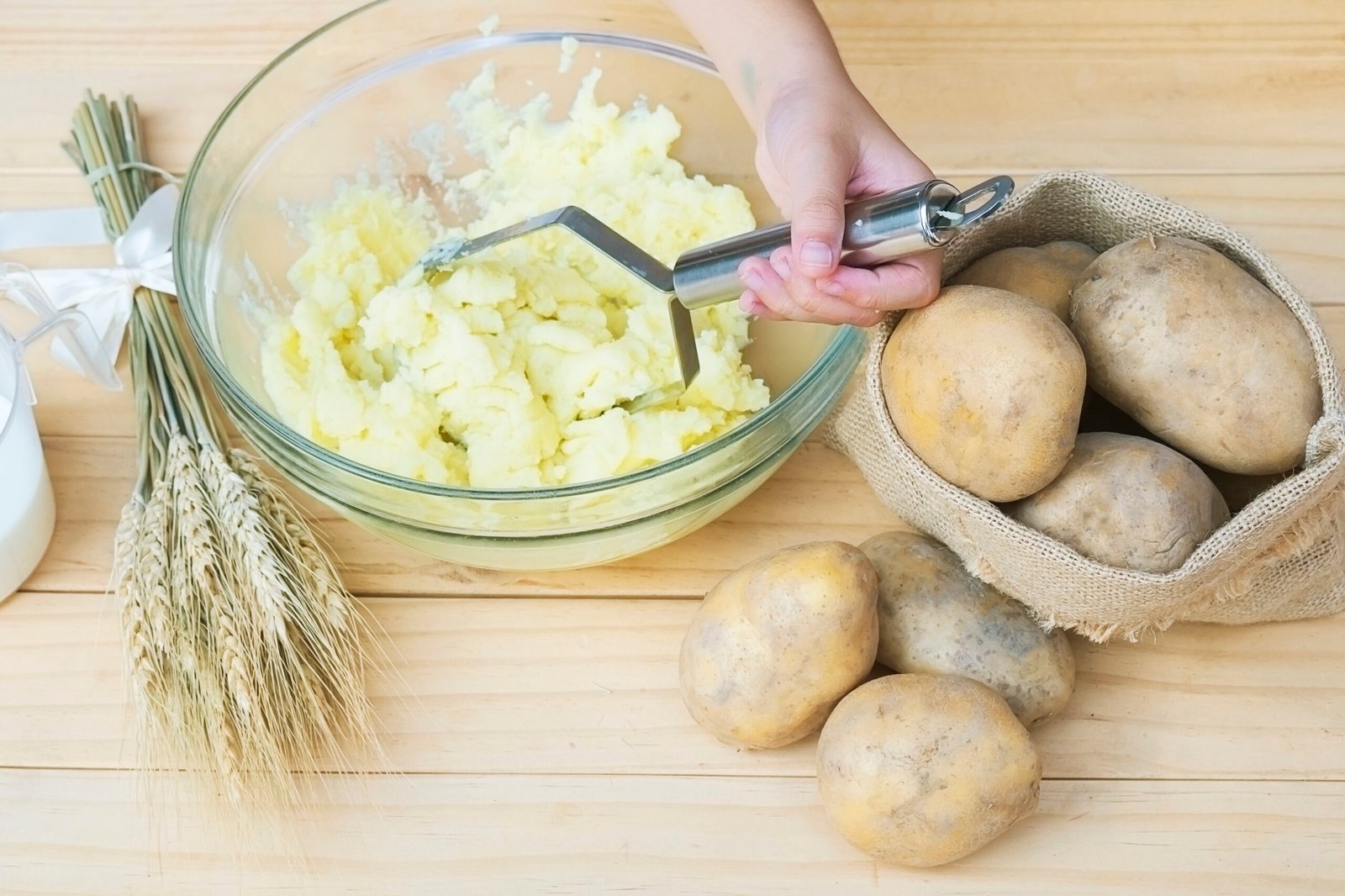
Start with fully cooked potatoes. Boil or steam them until they can be easily pierced with a fork.
Drain them thoroughly before mashing. Excess water can make the mixture loose and difficult to shape.
Add butter, milk, cream, or another preferred ingredient gradually. The goal is to create mashed potatoes that are creamy but firm enough to hold their form.
Season with salt and pepper according to taste. Garlic, parsley, chives, rosemary, thyme, or other herbs can be added for additional flavor.
If you are planning to bake the potatoes into cups, avoid making the mixture extremely soft. A slightly firmer consistency will generally make shaping easier.
Using a Muffin Pan
A muffin pan is one of the easiest tools for creating individual potato cups. Grease the pan lightly before adding the potato mixture to reduce sticking.
Place a portion of mashed potatoes into each muffin space and press the mixture against the bottom and sides to form a cup shape.
The exact amount needed depends on the size and depth of the muffin pan. Try to create cups with reasonably even walls so that they cook consistently.
If the potatoes are difficult to shape, chilling the mixture for a short period can make it easier to handle.
Adding Cheese for Extra Flavor
Cheese is one of the easiest ways to make potato cups richer and more flavorful. Cheddar, mozzarella, Monterey Jack, Parmesan, and other varieties can be incorporated into the potato mixture or sprinkled on top.
Adding cheese inside the cup creates a soft, melted center. Cheese on top can form a golden layer during baking.
You can also combine different cheeses for a more complex flavor. A sharp cheese can provide stronger flavor, while a mild melting cheese can contribute creaminess.
Filling Ideas
One of the most enjoyable aspects of potato cups is choosing the filling. Cooked vegetables can provide color, texture, and flavor.
Options include broccoli, spinach, corn, peas, mushrooms, bell peppers, and caramelized onions.
Cooked chicken or other prepared proteins can also be incorporated for a more substantial version. If using meat, make sure it is fully cooked before adding it to the potato mixture.
For a breakfast-inspired variation, eggs, cheese, and cooked vegetables can create a filling individual meal.
Vegetarian Potato Cups
Potato cups can easily be made vegetarian. Vegetables, herbs, cheese, and beans provide numerous possibilities.
A combination of spinach, mushrooms, and cheese can create a savory filling. Broccoli and cheddar offer another familiar flavor combination.
Roasted vegetables can add deeper flavor than raw vegetables because roasting concentrates their natural sweetness.
Fresh herbs can be added before serving to brighten the finished dish.
Making Crispy Potato Cups
The contrast between a crisp outside and creamy inside can make potato cups particularly appealing.
To encourage browning, lightly brush the surface with oil or melted butter before baking. Breadcrumbs can also provide a crunchy exterior.
Avoid overcrowding the cups with filling because excessive moisture can prevent the sides from becoming crisp.
Baking at an appropriate temperature allows the outside to develop color while the inside remains soft.
For an even crispier finish, some versions can be briefly placed under a broiler after baking. Watch them closely during this stage because the surface can brown quickly.
Using Leftover Mashed Potatoes
Leftover mashed potatoes are ideal for this type of recipe. Instead of reheating the same side dish repeatedly, you can transform the leftovers into individual baked portions.
Cold mashed potatoes may be firmer and easier to shape than freshly prepared potatoes.
If the leftovers contain a lot of butter, cream, or milk, you may need to add a little structure. Shredded cheese, breadcrumbs, or another suitable ingredient can help depending on the desired texture.
This approach can reduce food waste while creating a new meal from ingredients already available.
Serving Mashed Potato Cups
Potato cups can be served in many different ways. As a side dish, they work well with roasted chicken, grilled vegetables, fish, or other main courses.
For parties, smaller portions can be served as appetizers. Add a topping such as sour cream, chopped herbs, cheese, or a small amount of cooked vegetables.
They can also be used as part of a brunch spread alongside eggs, fruit, and other breakfast foods.
For children, smaller cups with mild flavors can make potatoes more visually interesting and easier to portion.
Breakfast Potato Cups
A breakfast version can turn mashed potatoes into a hearty morning dish. Add cooked vegetables, cheese, and an egg to each cup.
The potato provides a comforting base while the egg contributes protein. Green onions, peppers, mushrooms, spinach, or cooked breakfast meat can be used depending on preference.
Breakfast potato cups can be prepared ahead of time and reheated, making them convenient for busy mornings.
Potato Cups for Parties
Individual portions are particularly useful when serving food to a group. Guests can pick up a single serving without needing to cut or portion a larger dish.
For a party, consider preparing several varieties. One can feature cheddar and herbs, another can contain vegetables, and another can include a more substantial filling.
Labeling different varieties can help guests identify ingredients, especially when serving people with dietary restrictions.
A topping station can also make the meal interactive. Offer herbs, sour cream, cheese, cooked vegetables, and other appropriate toppings separately.
Making Them Ahead of Time
Mashed potato cups can often be prepared in advance. Shape the potato mixture in the baking pan and refrigerate it until you are ready to bake, depending on the specific recipe and ingredients used.
If preparing them ahead, cover them appropriately to prevent the potatoes from drying out.
When ready to cook, allow for any additional baking time required because chilled ingredients may take longer to heat through.
For food safety, perishable ingredients should be refrigerated promptly and handled according to safe storage practices.
Reheating Tips
Reheating method can affect texture. An oven or toaster oven can help restore some crispness to the outside.
Microwave reheating is faster but may produce a softer texture. If using a microwave, heat in short intervals and check the center.
For larger batches, an oven can provide more consistent results.
Adding a small amount of fresh cheese or herbs after reheating can make the cups taste fresher.
Common Mistakes to Avoid
One common mistake is using mashed potatoes that are too wet. Excess moisture makes shaping difficult and can prevent browning.
Another problem is creating uneven cup walls. Very thin areas may become dry while thicker sections remain soft.
Overfilling can also cause the cups to lose their shape. Keep fillings balanced and avoid adding ingredients that contain excessive moisture.
Finally, do not rely only on appearance to determine whether a filled potato cup is ready. The center should be heated thoroughly, particularly when using meat, eggs, or other perishable fillings.
Making Potato Cups More Nutritious
Potatoes can be part of a balanced meal, especially when combined with vegetables and an appropriate protein source.
Adding spinach, broccoli, peas, mushrooms, or peppers increases vegetable variety. Using moderate amounts of butter, cream, and cheese can help control richness.
For additional protein, consider adding beans, eggs, chicken, or another suitable ingredient.
The nutritional value depends heavily on the ingredients used, so homemade potato cups can be adjusted according to individual dietary preferences.
Creative Flavor Combinations
There are countless ways to change the flavor of potato cups. Garlic and Parmesan can create a savory version, while cheddar and chives offer a classic combination.
For a Mediterranean-inspired variation, consider herbs, spinach, roasted vegetables, and a suitable cheese.
A spicy version could include jalapeños, pepper jack cheese, and green onions.
For a simple family-friendly version, keep the potatoes mild and offer toppings separately so everyone can customize their portion.
Final Thoughts
Potatoes become even more versatile when transformed into individual baked servings that can be filled, seasoned, and customized in countless ways. Mashed potato cups are useful for family meals, parties, brunches, appetizers, and creative ways to use leftovers. With the right potato consistency, balanced fillings, and careful baking, they can develop a lightly crisp exterior while keeping a soft and comforting center. Their simple preparation and flexible ingredients make them an appealing option for cooks who want a familiar ingredient presented in a fresh and enjoyable way.
FAQs
1. Can mashed potato cups be made with leftover mashed potatoes?
Yes. Leftover mashed potatoes are often ideal because they are already cooked and seasoned. Their firmer chilled texture can also make them easier to shape into individual cups.
2. What can I put inside mashed potato cups?
You can use cheese, cooked vegetables, eggs, chicken, herbs, mushrooms, spinach, corn, peas, or other suitable ingredients. Choose fillings that complement the potato and do not introduce excessive moisture.
3. How do I keep mashed potato cups from falling apart?
Use mashed potatoes with a relatively firm consistency, avoid excess liquid, and shape the cups evenly. Depending on the recipe, breadcrumbs, cheese, or egg can provide additional structure.
4. Can mashed potato cups be prepared ahead of time?
Yes. They can often be shaped and refrigerated before baking. Store them safely in the refrigerator and allow additional cooking time if they are thoroughly chilled.
5. How can I make mashed potato cups crispy?
A lightly greased surface, a suitable baking temperature, and a small amount of oil, butter, or breadcrumbs can encourage browning. A short finishing period under a broiler may also increase crispness, but they should be watched carefully.