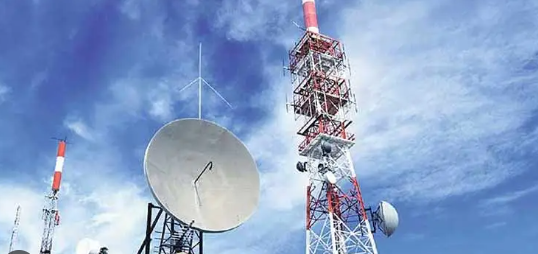
The telecom industry changes quickly as mobile networks, internet services, regulations, and consumer habits continue to develop. New technologies can influence how people make calls, access the internet, and use connected devices.
Telecom news covers updates related to mobile operators, 5G networks, broadband, spectrum, recharge plans, regulations, satellite connectivity, and future communication technologies. In India, industry developments are also closely connected with decisions and reports from the Department of Telecommunications and the Telecom Regulatory Authority of India.
This guide explains the major areas covered by telecom updates and why these developments matter to consumers and businesses.
What Is Telecom News
Telecom news refers to reporting and updates about the telecommunications industry.
The term covers mobile networks, telephone services, broadband, internet connectivity, telecom companies, government policies, and network technologies.
| Topic | What It Covers |
|---|---|
| Mobile networks | 4G and 5G services |
| Broadband | Fixed and wireless internet |
| Regulation | TRAI and government decisions |
| Spectrum | Radio frequencies for communication |
| Recharge plans | Prepaid and postpaid services |
| Satellite telecom | Space-based connectivity |
| Future networks | 6G research and development |
The importance of each topic can change as new technology and regulations emerge.
Why Telecom News Matters
Telecommunication services are part of everyday life.
People use mobile networks for calls, digital payments, work, education, entertainment, and online communication.
A change in network technology can affect internet speed and coverage.
Recharge plan changes can affect monthly expenses.
Regulatory decisions may influence spam calls, customer complaints, service quality, and competition.
This is why telecom developments can have a direct impact on consumers.
Latest Telecom Industry Trends
The telecom industry is currently focused on expanding advanced network services and improving digital connectivity.
5G remains an important area of network development. Operators continue to explore ways to improve coverage, capacity, and service performance.
Fixed wireless access is another growing part of the broadband market.
Telecom companies are also examining network automation, artificial intelligence, and advanced data management.
At the same time, regulators continue to monitor network quality and consumer communication practices.
5G Network Expansion in India
5G has become one of the biggest developments in India’s recent telecom history.
The technology is designed to provide higher data capacity and support lower latency applications when appropriate network conditions and compatible devices are available.
Telecom operators have expanded 5G services across many parts of India.
However, user experience can vary according to location, network congestion, indoor coverage, device compatibility, and available spectrum.
A 5G symbol on a smartphone does not always guarantee the same speed in every location.
What Is 5G Standalone Technology
5G Standalone is a network architecture built around a 5G core network.
It differs from Non-Standalone deployment, which uses existing 4G network infrastructure for certain network functions.
Standalone networks can support advanced capabilities such as network slicing.
Network slicing allows a network to create different logical service environments for particular requirements.
The practical availability of these features depends on operator deployment and supported services.
Telecom Network Quality Updates
Network quality is an important subject in the telecom sector.
TRAI regularly publishes information and conducts network quality assessments in different areas and along selected routes.
These assessments can examine mobile service performance.
Consumers may experience different network results even when using the same operator.
Location, building structure, network traffic, device technology, and local infrastructure can influence service quality.
Users should therefore consider local network performance when choosing a mobile service.
Mobile Subscriber Data and Market Changes
Telecom subscriber data provides information about changes in the mobile and broadband market.
TRAI publishes regular telecom subscription reports.
These reports can show changes in wireless subscribers, broadband connections, and other communication services.
Subscriber numbers can help analysts understand market movement.
However, total subscriber figures should not always be treated as a direct measurement of network quality.
A company can have a large customer base while individual user experiences still vary by location.
Telecom Recharge Plan Updates
Recharge plans are one of the most searched telecom topics.
Mobile operators offer different prepaid and postpaid options based on validity, data, voice services, and additional benefits.
Plan prices and benefits can change.
Consumers should check the current plan details before recharging.
Pay attention to daily data limits, validity periods, voice benefits, SMS conditions, and additional subscriptions.
A plan described as unlimited may still have specific fair usage or service conditions.
Voice and SMS Only Plans
Some mobile users do not need large amounts of internet data.
This has increased discussion around voice and SMS focused recharge options.
Such plans can be useful for basic phones, secondary SIM cards, and users who mainly need calling services.
Consumers should compare the actual validity and included benefits.
The cheapest listed price does not always provide the lowest monthly cost when validity periods are different.
Spam Calls and Commercial Communication
Spam and unwanted commercial communication remain important telecom issues.
Regulatory systems in India distinguish between different types of commercial communication.
Specific number series may be assigned for particular categories of calls.
Recent regulatory clarification has also focused on how designated number series should be handled by call management and filtering systems.
Consumers should avoid assuming that every unfamiliar number is automatically fraudulent.
At the same time, sensitive information such as OTPs, banking passwords, and card PINs should never be shared with an unexpected caller.
Why TRAI Is Important in Telecom
The Telecom Regulatory Authority of India plays an important role in the Indian telecom sector.
It deals with regulatory matters related to telecommunications and broadcasting services.
TRAI publishes consultation papers, regulations, recommendations, performance reports, and telecom subscription data.
Consumers may also see TRAI mentioned in news about tariffs, spam communication, network quality, and complaint processes.
A media report about a proposed rule should not automatically be treated as a final regulation.
Readers should check whether the development is a consultation, recommendation, draft, amendment, or final regulatory decision.
Satellite Telecom and Connectivity
Satellite communication is becoming an increasingly discussed part of the telecom industry.
Satellite-based services can potentially support connectivity in areas where traditional terrestrial network infrastructure is difficult to deploy.
The technology may be particularly relevant for remote regions and specialised communication requirements.
However, satellite telecom services involve spectrum, licensing, technical, and regulatory considerations.
Consumers should wait for confirmed commercial service details before relying on speculative launch dates or pricing reports.
What Is Direct to Device Satellite Connectivity
Direct to device technology generally refers to communication between compatible mobile devices and satellite networks.
The concept may help extend connectivity beyond traditional mobile tower coverage.
Different technical systems can provide different levels of service.
Some may initially focus on messaging or emergency communication.
Others may aim to support broader mobile connectivity.
Users should check the exact capabilities of a service instead of assuming that every satellite connection provides full high-speed internet.
6G Technology Development
The telecom industry is already researching technologies associated with future 6G networks.
6G is generally connected with the next generation of mobile communication expected after 5G.
Research areas may include advanced wireless systems, intelligent networks, sensing, and integration between terrestrial and non-terrestrial communication.
However, consumers should be cautious with claims suggesting that widespread commercial 6G service is already available.
Research, standardisation, testing, and commercial deployment are different stages.
Artificial Intelligence in Telecom Networks
Artificial intelligence is becoming an important technology across many industries.
Telecom operators can explore AI for network monitoring, customer support, traffic analysis, and operational automation.
AI-based systems may help identify network patterns and support faster problem detection.
However, the term AI is sometimes used broadly in marketing.
Readers should check what a company actually means when it announces an AI-powered telecom service.
The practical feature is more important than the label.
Broadband and Fixed Wireless Access
Broadband connectivity is no longer limited to traditional wired connections.
Fixed wireless access can provide internet connectivity using a wireless network link.
5G technology has increased interest in this type of service.
The actual performance can depend on network availability, equipment, signal conditions, and local capacity.
Consumers comparing broadband services should consider speed, data conditions, installation costs, reliability, and customer support.
How Telecom News Affects Mobile Users
Industry developments can affect users in several ways.
A new network deployment may improve coverage in some areas.
Changes to recharge plans can affect service costs.
New regulatory rules may change how commercial calls or customer complaints are handled.
Technology developments can also introduce new devices and connectivity options.
However, not every industry announcement creates an immediate change for every consumer.
Availability and implementation should always be checked.
How to Check Telecom News for Accuracy
Telecom stories often involve technical or regulatory information.
Start by checking the date of the report.
Look for the original announcement from the regulator, government department, or telecom operator.
Understand whether a regulatory document is final or still under consultation.
Be careful with headlines that claim a service has launched nationwide when availability is limited.
For recharge plans, check current operator information before making a payment.
These simple checks can reduce confusion caused by outdated or exaggerated reports.
Why Telecom Rumours Spread Quickly
Mobile services have millions of users, so recharge and network rumours can spread rapidly.
Social media posts may claim that prices will increase on a specific date or that a service is closing.
Some claims may be based on speculation rather than a confirmed announcement.
Users should check the source before forwarding such information.
A screenshot without an identifiable source should not be treated as official telecom news.
Future of the Telecom Industry
The telecom industry is likely to continue developing around faster networks, wider broadband access, automation, and new forms of connectivity.
5G services may gain more advanced capabilities as network infrastructure develops.
Satellite communication could create additional connectivity options.
Research into 6G and intelligent networks will also continue.
For consumers, network quality, affordability, security, and reliable customer support are likely to remain important issues regardless of the technology generation.
Final Thoughts
Telecom news covers a wide range of developments involving mobile networks, 5G, broadband, recharge plans, regulation, satellite communication, and future technologies. These updates can help consumers understand changes that may affect their connectivity and mobile expenses.
Readers should distinguish confirmed announcements from rumours and early proposals. For regulatory updates, official documents and final decisions are more reliable than social media claims. As telecom technology continues to develop, checking dates, sources, and actual service availability remains important.
Frequently Asked Questions
What is telecom news?
It covers updates about mobile networks, broadband, telecom operators, regulations, and communication technology.
What are the latest telecom trends?
Major areas include 5G development, fixed wireless access, satellite connectivity, AI-based network systems, and 6G research.
Why is TRAI important in telecom?
TRAI is India’s telecom regulator and publishes regulations, recommendations, performance information, and subscription data.
Is 6G available for normal mobile users?
Widespread commercial 6G service is not currently available. The technology remains connected with research and future network development.
How can I verify telecom updates?
Check the date and compare important claims with official regulator, government, or telecom operator announcements.