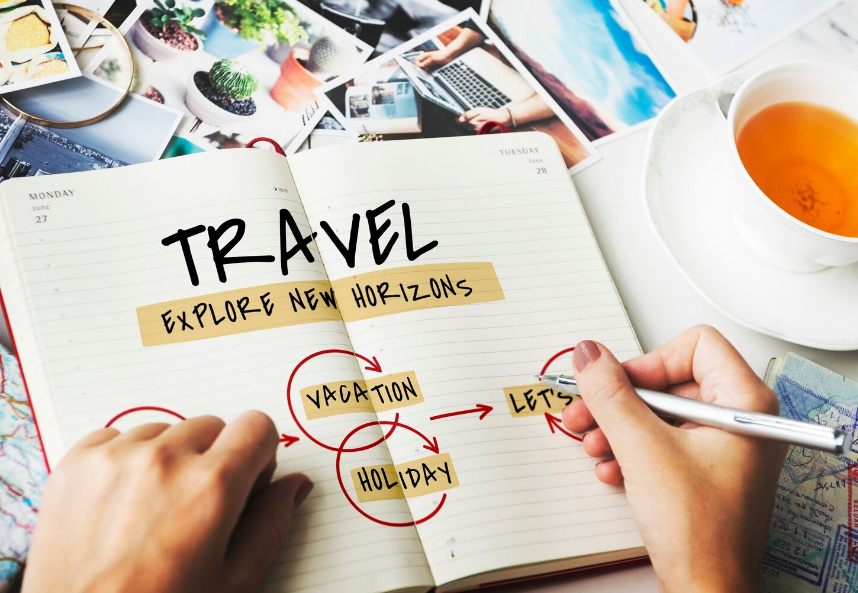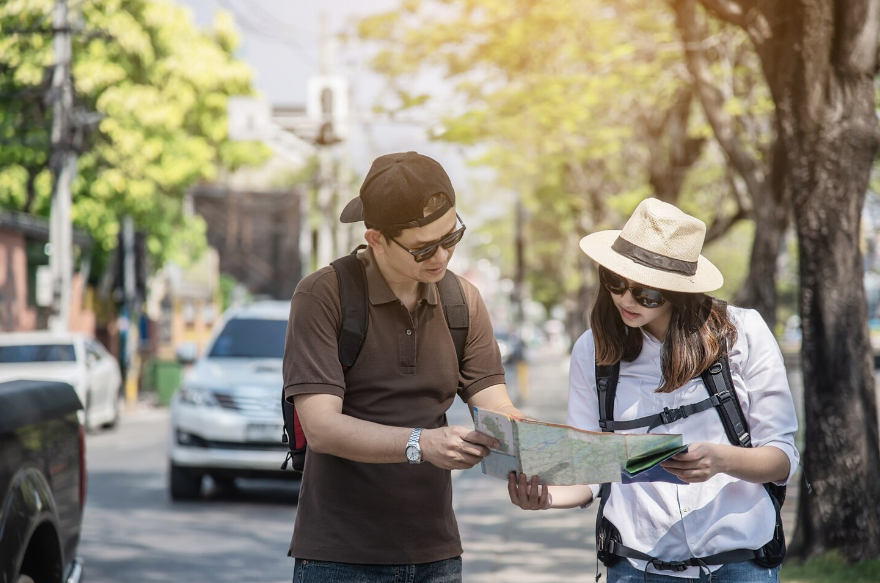
Travel becomes much more meaningful when you go beyond the famous attractions and experience a destination through the eyes of the people who live there. Instead of simply visiting popular landmarks, you can discover neighborhood cafés, local markets, hidden streets, traditional food, and everyday experiences that reveal what a place is really like. Exploring a destination like a local can make your trip more memorable while helping you develop a deeper appreciation for its culture and community.
Whether you are planning a weekend getaway or a long international adventure, a few simple strategies can help you experience a new place in a more authentic way.
Research Before You Arrive
Good local experiences often begin before your journey starts. Spend some time learning about the destination, including its neighborhoods, customs, transportation system, food culture, and important social traditions.
Travel blogs, local publications, community websites, and conversations with experienced travelers can provide useful ideas. However, avoid creating an itinerary that is packed from morning until night.
Leave some free time for unexpected discoveries. A small restaurant you notice while walking or a neighborhood market recommended by someone you meet may become one of the highlights of your trip.
Researching local etiquette is also important. Understanding appropriate clothing, greetings, tipping practices, dining customs, and public behavior can help you interact respectfully with residents.
Stay in a Local Neighborhood
Where you stay can strongly influence how you experience a destination. Large hotels near major tourist attractions can be convenient, but staying in a residential neighborhood may give you a better sense of everyday life.
Look for accommodation in areas where people actually live and work. You may find local bakeries, grocery stores, coffee shops, parks, and family-owned restaurants within walking distance.
Waking up in a neighborhood rather than a busy tourist district can completely change the atmosphere of your trip. You might see people heading to work, children going to school, shop owners opening their businesses, and residents enjoying their morning routines.
These ordinary moments can offer valuable insight into local culture.
Eat Where Locals Eat
Food is one of the easiest ways to connect with a destination. Instead of choosing restaurants solely because they appear on popular tourist lists, ask residents where they like to eat.
Local restaurants, street food stalls, family-owned cafés, and neighborhood markets can introduce you to traditional flavors and regional specialties.
Do not be afraid to try something unfamiliar. Ask the server or vendor what a particular dish is and how it is traditionally eaten. Most people appreciate genuine curiosity about their food.
Visiting a local market can also be an excellent experience. You can see fresh ingredients, regional products, cooking traditions, and the daily rhythm of the community.
Use Public Transportation
Public transportation is not only an affordable way to get around. It can also provide a glimpse into everyday life.
Buses, trains, trams, ferries, and local metro systems are used by residents every day. Traveling alongside them gives you an opportunity to observe how people move through their city.
Walking is another excellent option when practical and safe. Exploring a neighborhood on foot allows you to notice details that you might miss from a car or tour bus.
You may discover small bookstores, colorful buildings, local art, quiet parks, and independent businesses that never appear in a typical sightseeing guide.
Talk to Local People
Some of the best travel memories come from conversations. You do not need to become friends with everyone you meet, but simple interactions can make your experience more personal.
Ask a shop owner about a popular local dish. Ask a café employee which neighborhood they recommend visiting. If you attend a cultural event, talk to people about its history and meaning.
Be respectful and avoid treating residents as sources of entertainment. Genuine curiosity works best when conversations are natural and considerate.
Learning a few basic phrases in the local language can also make a positive impression. Even simple greetings, thank-you phrases, and polite expressions can make interactions easier.
Visit Beyond the Famous Attractions
Major landmarks are popular for a reason, and there is nothing wrong with visiting them. However, they should not be the only places on your itinerary.
After visiting the main attractions, explore areas away from the busiest tourist streets. Look for local parks, independent galleries, community markets, bookstores, cafés, and historic neighborhoods.
Sometimes the most interesting part of a city is not its most famous monument but the streets surrounding it.
Consider taking a slower approach. Instead of trying to visit ten attractions in one day, choose two or three and spend more time experiencing the surrounding area.
Participate in Local Activities
Participating in a local activity can give you a much deeper connection to a destination.
Depending on where you travel, you might join a cooking class, attend a cultural performance, take a walking tour led by a resident, visit a craft workshop, or participate in a community event.
These experiences allow you to learn by doing rather than simply observing.
When choosing activities, look for experiences that support local businesses and communities. Small group tours and independent operators can often provide more personal interactions than large commercial excursions.
Respect Local Culture
Traveling like a local does not mean pretending to be one. It means approaching a destination with curiosity, humility, and respect.
Every community has its own traditions, values, and social expectations. Something that seems normal in your home country may be inappropriate somewhere else.
Pay attention to local customs, particularly when visiting religious sites, residential communities, cultural events, or traditional neighborhoods.
Ask before taking photographs of people, especially when photographing children, workers, ceremonies, or private spaces.
Responsible travelers understand that they are guests in someone else’s community.
Shop From Local Businesses
Shopping locally can make your travel experience more meaningful while supporting the people who live in the destination.
Instead of buying mass-produced souvenirs from large tourist stores, look for independent shops, artisan markets, bookstores, galleries, and family-run businesses.
You might discover handmade crafts, regional foods, locally designed clothing, artwork, or products that have a genuine connection to the area.
If you are buying handmade goods, learn a little about their origin. Understanding who made an item and how it was produced can make the souvenir much more special.
Slow Down and Stay Curious
One of the biggest differences between ordinary tourism and local-style exploration is pace.
You do not need to see everything. Give yourself permission to slow down.
Spend an afternoon sitting in a neighborhood café. Walk through a market without rushing. Watch the sunset from a quiet public space. Take a different route back to your accommodation.
These simple moments often become some of the strongest memories from a trip.
Keep an open mind and accept that not everything will go according to plan. A delayed train, unexpected weather, or closed attraction can sometimes lead you toward an experience you would never have planned.
Keep an Open Mind
Every destination will be different from home. Food, transportation, schedules, communication styles, and social habits may not always match what you are used to.
Instead of immediately judging unfamiliar experiences, try to understand them.
Ask questions, observe how residents behave, and remain patient when something feels different.
The goal of local-style travel is not to compare everything with your hometown. It is to understand and appreciate the destination on its own terms.
Final Thoughts
Exploring a destination like a local is ultimately about slowing down, connecting with people, discovering everyday places, and approaching unfamiliar experiences with respect. Famous landmarks can introduce you to a city, but local neighborhoods, traditional food, community activities, and spontaneous conversations can help you understand it.
Plan enough to travel confidently, but leave room for discovery. Follow recommendations from residents, support independent businesses, learn about local customs, and allow yourself to wander when appropriate.
The best trips are not always the ones with the longest list of attractions. They are often the journeys where you return home with a better understanding of another place, its people, and the everyday moments that make it unique.