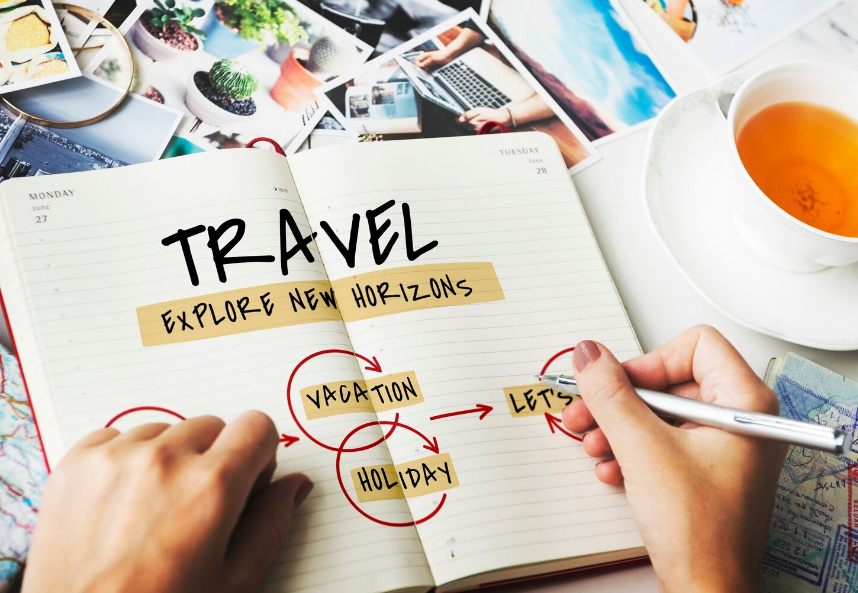
Planning a trip can be one of the most exciting parts of traveling. Choosing destinations, discovering attractions, finding great places to eat, and deciding how to spend each day can build anticipation long before you leave home. However, without a clear plan, even an exciting vacation can become stressful. A well-designed itinerary helps you organize your time while still leaving enough room for unexpected discoveries.
Creating the perfect travel itinerary does not mean planning every minute of your vacation. Instead, it means understanding your priorities, organizing activities logically, and leaving enough flexibility to enjoy the journey. With a few practical steps, you can create a travel plan that makes your adventure smoother and more enjoyable.
Start With Your Travel Goals
Before researching destinations and activities, think about what you want from the trip. Every traveler has different priorities. Some people want relaxation, while others prefer sightseeing, outdoor adventures, cultural experiences, shopping, or food.
Write down the experiences that matter most to you. If you are visiting a city for the first time, you may want to explore famous landmarks and historic neighborhoods. If you are traveling with family, comfortable activities and convenient transportation may be more important.
Knowing your goals makes it easier to decide which activities deserve space in your schedule and which ones can be skipped.
Determine Your Travel Dates and Budget
Your available time and budget should shape your itinerary. Start by confirming your departure and return dates. Then calculate how much you can comfortably spend on transportation, accommodation, meals, activities, and other expenses.
A realistic budget can prevent unpleasant surprises during your trip. Consider setting aside some money for unexpected costs, such as transportation changes, additional meals, entrance fees, or spontaneous activities.
Your budget can also influence your choice of accommodation and transportation. For example, staying near major attractions may cost more but could save money and time on daily transportation.
Research Your Destination
Once your basic travel details are established, research the destination carefully. Look at major attractions, local neighborhoods, transportation options, opening hours, seasonal conditions, and popular activities.
Travel blogs, tourism websites, maps, and reviews can help you discover places that match your interests. Do not limit your research to famous attractions. Local markets, parks, small museums, scenic viewpoints, and neighborhood restaurants can sometimes become the most memorable parts of a trip.
Make a list of everything that interests you, but do not put every attraction into your final itinerary. The research stage should give you options rather than create an overwhelming schedule.
Group Attractions by Location
One of the smartest ways to save time is to organize activities based on location. Look at a map and identify attractions that are close to one another.
For example, if several museums, restaurants, and historic landmarks are located in the same neighborhood, consider visiting them on the same day. This reduces unnecessary travel and gives you more time to enjoy the destination.
Location-based planning also makes your itinerary more realistic. Instead of crossing a large city several times in one day, you can explore one area at a time.
Avoid Overplanning
A common mistake is trying to see everything during a short vacation. Packing too many activities into each day can leave you exhausted.
Instead, select a few priority activities and allow time for breaks. A day with three meaningful experiences may be much better than a day with eight rushed stops.
Leave some empty space in your schedule. You may discover an interesting café, meet other travelers, find a local event, or simply want to spend more time at a place you enjoy.
A good itinerary provides structure without making your vacation feel like a checklist.
Plan Transportation Carefully
Transportation can have a major effect on your travel experience. Research how you will move between the airport, hotel, attractions, restaurants, and other destinations.
Find out whether public transportation, taxis, rideshare services, rental cars, bicycles, or walking are the most practical options.
Pay attention to travel times when creating your schedule. An activity that looks close on a map may take much longer because of traffic, transfers, or crowded transportation.
If you have an early flight or important reservation, allow extra time for unexpected delays.
Include Time for Food
Food is an important part of travel, so include meals in your itinerary. Research restaurants and local specialties before your trip, especially if a particular place is popular or requires reservations.
However, avoid scheduling every meal too rigidly. Leave room to try local restaurants you discover while exploring.
You can also plan meals around your daily route. Choosing a restaurant near your afternoon activities can save time and reduce unnecessary transportation.
Trying local food can provide a deeper connection to the culture of a destination and often becomes one of the highlights of a trip.
Make Important Reservations Early
Some travel experiences require advance reservations. These may include popular attractions, guided tours, special restaurants, concerts, trains, or outdoor activities.
Identify the activities that have limited availability and book them first. Once those fixed commitments are established, build the rest of your itinerary around them.
Keep confirmation numbers, reservation times, addresses, and important instructions in an easily accessible place. Having this information organized can make your trip much less stressful.
Build a Daily Travel Plan
After completing your research, organize the trip day by day. Start with your arrival and departure details, then add activities around them.
A simple daily plan might include:
Morning: Main attraction or planned activity
Afternoon: Nearby sightseeing and lunch
Evening: Dinner, entertainment, or relaxed exploration
You do not need to assign a specific activity to every hour. The goal is to understand how your day will flow and make sure important experiences fit comfortably into your available time.
Prepare for Changes
Even the best itinerary cannot predict everything. Weather can change, flights can be delayed, attractions can close, and you may simply change your mind.
Create backup options for important outdoor activities. If rain affects your plans, have an indoor attraction or alternative experience ready.
Flexibility is one of the most valuable parts of travel planning. Your itinerary should guide you, not control you.
Keep Your Itinerary Easy to Access
Before leaving, organize all essential information in one place. Include accommodation details, transportation information, reservations, addresses, activity times, emergency contacts, and important travel documents.
You can keep a digital copy on your phone and a backup version that can be accessed without an internet connection.
It is also useful to save maps and directions in advance, particularly if you expect limited mobile service.
Final Thoughts
Creating a successful travel itinerary is about finding the right balance between planning and freedom. Start by identifying your goals, setting a realistic budget, researching your destination, and organizing activities by location. Add important reservations and transportation details, but avoid filling every moment of the day.
The best itinerary gives you confidence without taking away the excitement of exploration. By leaving room for unexpected experiences and adjusting your plans when necessary, you can enjoy a smoother, more memorable adventure from beginning to end.